About Buckhorn Ecological
Restoring Colorado’s streams and watersheds through low-tech, process-based restoration
What We Do
Buckhorn Ecological Restoration (BERC) is a Fort Collins-based ecological restoration contracting company specializing in low-tech, process-based restoration (LTPBR). Founded in 2025 by three practitioners with shared roots in Colorado’s post-fire recovery landscape, we design and build nature-based structures that help rivers and streams reconnect with their floodplains, restore natural flow patterns, and create habitat for diverse wildlife.
In our previous roles, our co-founders worked together on large-scale stream restoration projects in the Cameron Peak Fire burn scar, collectively overseeing the construction of hundreds of LTPBR structures. We bring together expertise in project management, GIS-based design, field operations, and crew leadership to deliver restoration projects that are ecologically sound, safely executed, and built to last.
Our Team
Meet the restoration specialists behind Buckhorn Ecological
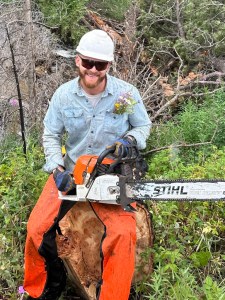
Brent Walls Field and Operations Manager
Brent is an ecological restoration specialist with extensive experience leading LTPBR implementation across Colorado’s post-fire landscapes. As co-founder and field lead at BERC, he oversees daily construction operations, manages crews, and ensures every structure is built safely and in alignment with ecological objectives. Before founding BERC, Brent served as a Stream Restoration Project Lead at AloTerra Restoration Services, where he oversaw the construction of hundreds of LTPBR structures across multiple watersheds during Cameron Peak Fire recovery. He holds a B.S. from the University of Kentucky, an EMS Certificate from Front Range Community College, and is a certified Level B Faller through Colorado Fire Camp.
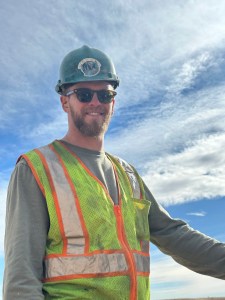
Kieran Clute Project Manager and Design Lead
Kieran’s approach to restoration is rooted in a lifelong connection to the northern Colorado mountains. Before co-founding BERC, he managed the Forestry Department at AloTerra Restoration Services, leading post-fire recovery projects and supervising multidisciplinary teams while overseeing the construction of hundreds of LTPBR structures across fire-impacted landscapes. Workforce development is central to his work — he serves as an S-212 chainsaw and LTPBR instructor for Wildlands Restoration Volunteers. Kieran holds a B.A. in Environmental Science from Prescott College and is a certified Level B Sawyer and Wilderness First Responder.
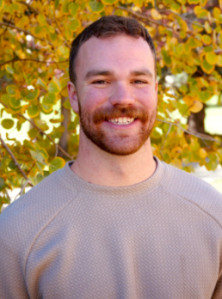
Brenan Bloyd Stream Ecologist and Business Manager
Brenan is a watershed restoration practitioner with extensive experience managing complex, multi-landowner projects in the Big Thompson Watershed and beyond. Prior to co-founding BERC, he served as the Watershed Restoration Program Manager for the Big Thompson Watershed Coalition, where he oversaw large-scale fire recovery efforts following the Cameron Peak Fire, managing projects spanning over 10 miles of stream and budgets exceeding $2 million. His expertise includes project scoping, GIS-based site assessments, landowner coordination, and adaptive management. He holds a Master of Environmental Management from Western Colorado University and remains directly involved in field work to ensure projects are executed in alignment with design intent.
Our Approach
We believe the best restoration works with natural processes, not against them. LTPBR structures are designed to be self-sustaining, evolving with the landscape over time. They cost a fraction of traditional hardscape approaches and can be deployed at scale across degraded watersheds. Our projects prioritize adaptive management: we design with flexibility built in, monitor outcomes, and adjust as the system responds.
Where We Work
BERC is headquartered in Fort Collins, Colorado and works across the Front Range, northern Colorado mountains, and beyond. Our project experience spans post-fire landscapes, degraded mountain streams, and riparian corridors at a range of elevations and land ownership types, including private land, municipal natural areas, national forest, and national park settings.